Blockchain10 min read
Infra Graveyard Weekly #06: TON gave a hundred days' notice, and 0.11% left
A bridge with $15m inside closed on 1 September after a hundred days of warnings and zero fees. Almost nobody came for the money.
Smart-contract development, blockchain integration, and on-chain product builds. EVM and Solana, Solidity and Anchor — the studio’s deepest specialty.
Solidity for EVM chains, Anchor for Solana. From simple ERC-20 launches to full DeFi protocol architecture.
Get startedPre-audit cleanup of existing contracts, integration with external auditors (CertiK and others), post-audit fixes.
Get startedOn-chain representation of real-world or in-protocol assets — RWA tokenization, in-game currencies, loyalty points.
Get startedConnect an existing web or mobile product to wallets, on-chain payments, NFTs, or crypto top-ups without rewriting your stack.
Get startedA few of the on-chain products from real projects. Live links and client names available on request.
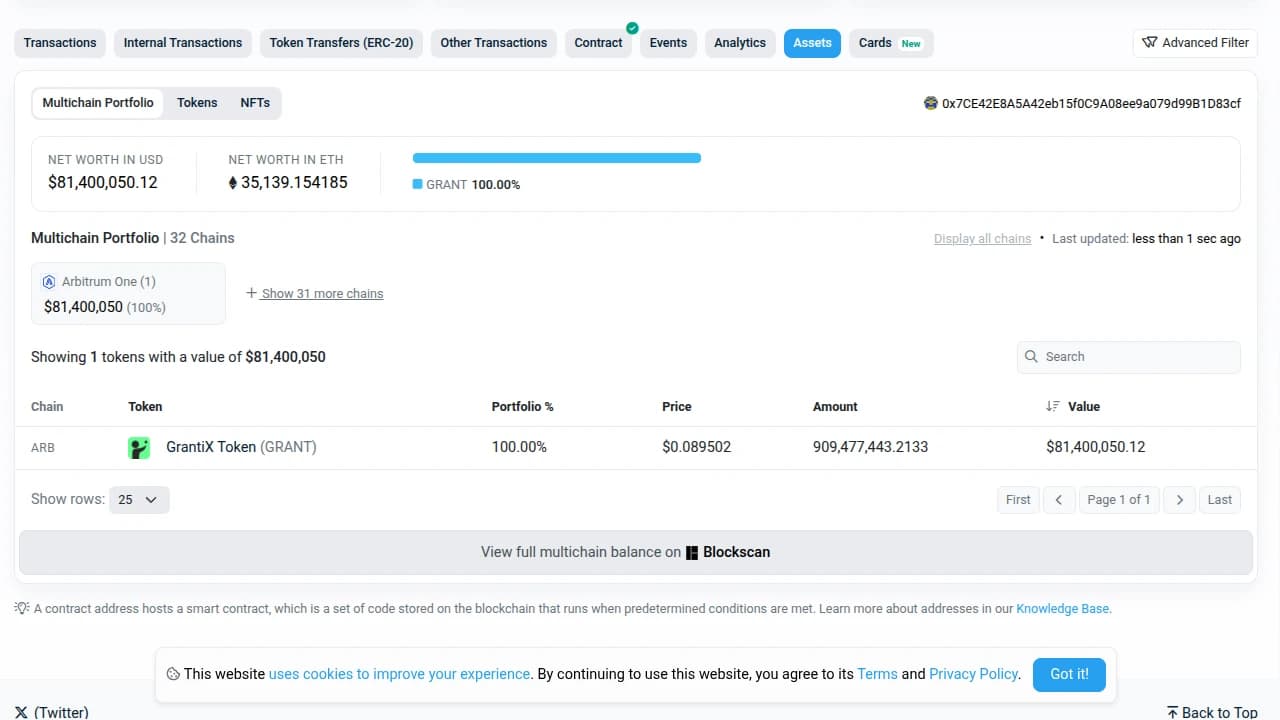
Solidity-based DeFi protocol deployed across multiple EVM chains. Contracts passed external audit by CertiK. My scope of work covered core protocol design and on-chain logic, the integration layer connecting partner DeFi protocols, and the governance surface.

Backend for a Solana-based DEX automation platform — auto-sniping, limit orders, and pre-trade simulations that filter rug pulls and honeypots before a buy executes. Anchor programs, Solana web3 integration, and the Hono API service were delivered as part of this work.
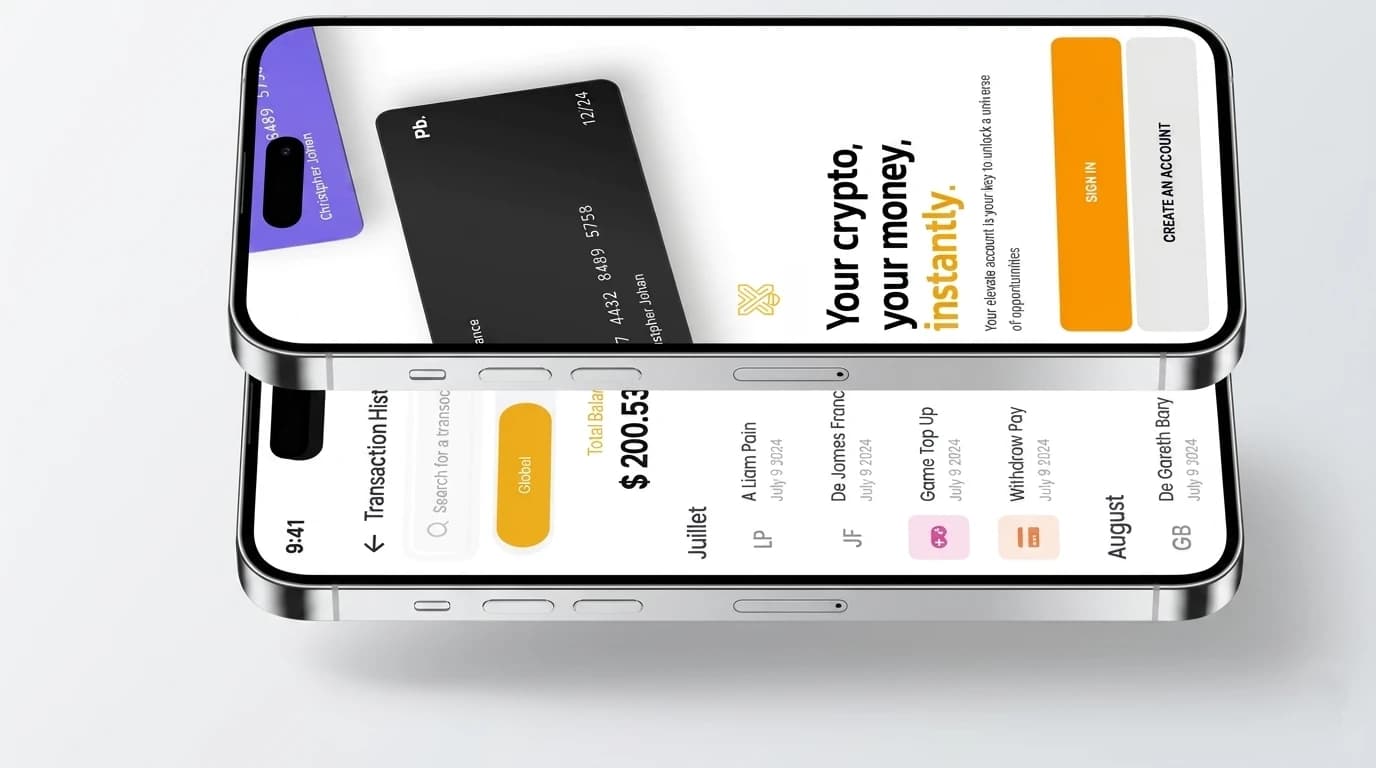
Telegram Mini App that issues bank cards funded by crypto top-ups — users hold crypto, spend in fiat. The Express/MongoDB backend powering card issuance, top-up flows, and transaction history was delivered end-to-end. Live with an active user base.
What I reach for when shipping on-chain.
Solidity · EVM
Solana · Anchor
Hardhat · Foundry
ethers.js · web3.js
WalletConnect · RainbowKit
Audit-ready process
What gets asked before an on-chain project starts.
Because it decides the architecture, the security model and your legal position, and changing it later is a rewrite rather than a setting. Non-custodial means the user holds the keys and you cannot move their funds: less product surface, far less liability. Custodial means you hold them, which pulls compliance, insurance and an incident plan into scope. On a wallet project I ask this before anything else.
The EVM family — Ethereum, Polygon, BNB Chain, Arbitrum, Base, Optimism — plus Solana with Anchor, and TON with FunC/Tact for the Telegram ecosystem. Outside that list (Move, Cosmos, Near, zk stacks) is not my core specialty: I can bring in an expert from my network, and I will say so rather than learn on your project.
Prepare them, and the distinction is deliberate: an audit signed by the same people who wrote the code is worth nothing to whoever reads it. The work is getting the code into the state where an external audit is cheaper and comes back shorter — tests around the money paths, invariants written down, access control and upgrade paths documented, known bad patterns gone before someone bills you to find them.
A single well-understood contract — a token, a vesting schedule, a straightforward staking pool — is two to three weeks including tests and a testnet deployment. A protocol of several interacting contracts with an upgrade path and an external audit runs in months, and most of that time is not writing code: it is the audit queue and the fixes that come out of it.
I never take custody of a client’s keys or seed phrases, and nothing I build asks a user for one. Deployment keys stay on your side wherever the chain allows it; where a build has to sign, it signs against a key you control and can rotate the day we finish. The DFK Chain scanner on this site is the same principle in miniature: it reads an address you paste, needs no wallet connection, and stores nothing.
See the scannerIt happens more often than the pitch decks suggest: endpoints are removed, free tiers are cut, whole chains are retired on a month’s notice. So third-party dependencies sit behind a thin layer of our own, and swapping an RPC provider or an indexer stays a config change instead of a rewrite. That is not theory here — the studio publishes a weekly log of exactly these shutdowns.
Infra Graveyard WeeklyA bridge with $15m inside closed on 1 September after a hundred days of warnings and zero fees. Almost nobody came for the money.
Our scanner promised to check all 577 pools of a dying chain and checked 157: three lines of code turned a failed read into 'nothing here'.
We measured one dying chain five times in a month. Half the money left in six days — and the largest holder of what stayed is an abandoned contract.